Weight Loss Surgery · Darien & Bolingbrook · Before your deductible resets
Your deductible resets January 1. If the medication isn’t getting you there, this is the window.
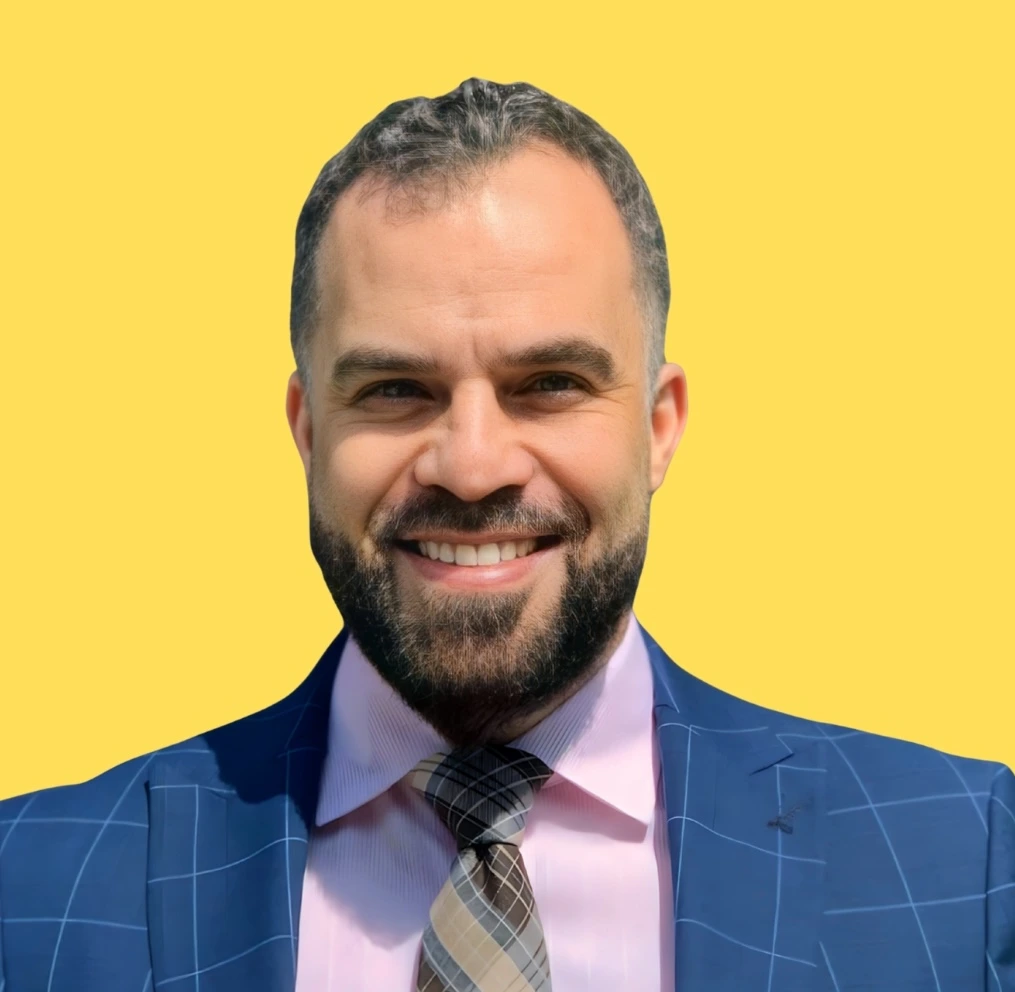
Stopped working? No longer covered? Don’t want to be on a shot for life? You didn’t fail. Most people who start the medication are off it within a year. Ten minutes on video, or a full consultation within 48 hours, and he’ll tell you plainly whether a December surgery date is realistic for your plan.
See If December Is Realistic for Me
Rather talk now? Call or text (773) 365-1300
Seven questions · about 45 seconds · no name needed yet
Darien, Bolingbrook & the Chicago west suburbs · in person or by video
4.9 on Google · 400+ Reviews
If any of this sounds familiar
- It worked... until it didn’t.
- You’re on the highest dose and the scale stopped moving.
- Your copay went from $25 to $500, or your plan is dropping it January 1.
- You’ve read that you have to take it for life, and you don’t want that.
- The food noise is back.
- You’ve been thinking about surgery for years, and you’re scared. Of the surgery, and of staying where you are.
That’s most of the people who call us this time of year. It isn’t you. It’s how the medication works.
From a surgeon who prescribes the shots too
What Dr. El Djouzi tells his own patients about the medication
Most people stop within a year.
A 2025 study in JAMA Network Open of more than 125,000 patients found that about two-thirds of people without diabetes stopped their GLP-1 within a year. Side effects, cost, coverage, or it simply stopped working. If that’s you, you’re the rule, not the exception.
Rodriguez et al., JAMA Network Open, January 2025
When the medication stops, the weight comes back.
In the STEP 1 extension study, people who stopped the weekly GLP-1 medication regained about two-thirds of the weight they had lost within a year, and most of the improvements in blood pressure and cholesterol went back toward where they started. The medication treats the condition. It doesn’t cure it.
Wilding et al., Diabetes, Obesity and Metabolism, 2022
Surgery after the medication still works, and the weight you already lost counts.
A 2026 study presented by the American Society for Metabolic and Bariatric Surgery found that patients who had surgery after a GLP-1 still reached 20 to 25 percent total weight loss. And if you’re on the medication now, that’s not a barrier: current surgical guidance lets most patients continue it until shortly before surgery.
ASMBS, May 2026 · Multisociety perioperative guidance, SOARD, 2024
The part nobody explains
The deductible math, in plain English
What a deductible is
The amount you pay before your plan starts paying its share. Most plans reset it on January 1.
What “met” means
Once you’ve paid it for the year, you pay only your share (coinsurance) up to your plan’s out-of-pocket maximum. Your insurer’s app shows where you stand.
Why December and January are different
If you’ve met your deductible this year, having surgery before December 31 can mean paying far less than the same surgery in January, when your deductible starts over. You may still owe coinsurance up to your out-of-pocket maximum.
Illustration only. Your plan year and amounts are specific to your plan.
Medication and surgery are separate benefits. Many plans that stopped covering weight-loss medication this year still cover weight-loss surgery. Some employer plans exclude it. We check yours before you commit to anything.
Realistic for many. Not guaranteed.
Is December realistic? The honest timeline
- 1
Today
A 45-second check. Seven questions so Dr. El Djouzi can prepare.
- 2
Within 48 hours
You’re seen. A 10-minute video call with Dr. El Djouzi, or a full consultation in Darien, in Bolingbrook, or by video. Your consultation is confirmed the moment your 20-minute online intake is in, so do it right after you book.
- 3
Weeks one to four
Evaluation. Labs, a nutrition visit, and the mental-health clearance most plans ask for. We schedule these close together.
- 4
Weeks two to six
Insurance approval. Our team submits. “Approved” is the word you’ll hear from us.
- 5
Surgery
Dr. El Djouzi operates on Tuesdays. Remaining 2026 dates are limited.
CignaCigna’s 2026 policy covers surgery at a BMI of 35 or higher without requiring a weight-related condition, and at BMI 30 to 34.9 with one. No months-long diet requirement.
UnitedHealthcareBMI 40 or higher, or 35 to 39.9 with a listed condition. No fixed-length diet requirement.
AetnaDocumentation of at least 12 lifestyle-program sessions within the last two years. These can be scheduled in quick succession.
TRICAREDocumented non-surgical attempts. TRICARE requires more than medication alone.
BCBS PPOWe verify your plan’s exact requirements at your first visit.
BCBS HMO (Advent)Your primary care doctor’s referral adds one step. Start it now.
Realistic for many. Not guaranteed. If December doesn’t work for your plan, we’ll map January so your 2027 deductible is met early and covers the rest of the year.
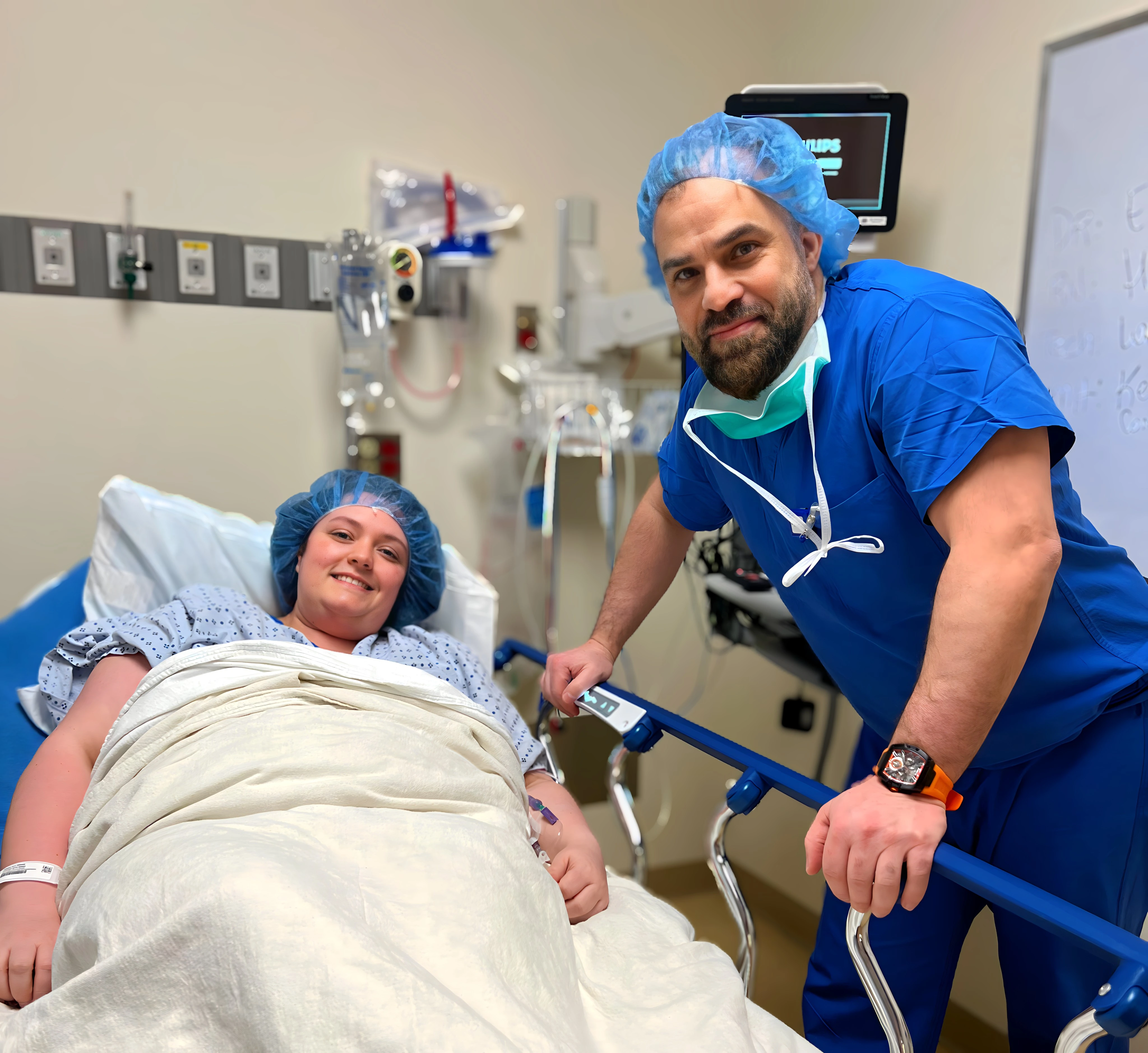
Meet Your Weight Loss Surgeon
Sofiane El Djouzi, MD, FACS, FASMBS
Dual board-certified in surgery and obesity medicine. Fellowship-trained in metabolic and bariatric surgery and in advanced surgical endoscopy. More than fifteen years in practice and more than 2,400 operations. He operates at UChicago Medicine AdventHealth Bolingbrook and sees patients in Darien, in Bolingbrook, and by video, in English, Spanish, French and Arabic.
He prescribes GLP-1 medication for the patients it suits, and he operates on the patients it doesn’t, which is why he can tell you which one you are. A surgeon with every option, and nothing to push.
2,400+ ProceduresProven track record
Dual Board CertifiedBariatric surgery & obesity medicine
Fellowship TrainedMetabolic & bariatric surgery
Fellowship TrainedAdvanced surgical endoscopy
Recognized & affiliated with

Accepted: BCBS PPO · BCBS HMO (Advent) · Cigna · United Healthcare · Aetna · TRICARE
Patient stories
What our patients say
“Dr. El Djouzi actually listened. He answered every question and never pressured me. Best decision I’ve made for my health.”
Maria
“I had tried everything. Dr. El Djouzi was the first person who gave me a real plan and treated me like a human being. Down 92 lbs and feeling like myself again.”
James
4.9 on Google · 400+ Reviews
The things people are scared of, answered straight
“I’m scared of the surgery itself.”
Everyone going into this is nervous. It’s a whole new world on the other side, and that’s scary. It isn’t a sign you shouldn’t do it.
The American Society for Metabolic and Bariatric Surgery reports mortality of about 0.1 percent and major complications of about 4 percent across nearly 280,000 procedures a year at accredited centers. Ask Dr. El Djouzi every question you have on the call. That’s what it’s for.
ASMBS Metabolic and Bariatric Surgery Fact Sheet, 2024
“What if it doesn’t work for me?”
It’s a tool you work with, not a cure, and it works for most people who work with it. Ten years after surgery, sleeve patients in a randomized trial maintained about 23 percent total weight loss and bypass patients about 27 percent.
The honest version: if old habits come all the way back, some weight can too. That’s why follow-up is part of the plan, not an afterthought.
SLEEVEPASS randomized trial, 10-year results, JAMA Surgery, 2022
“It’s permanent. What if I regret it?”
It’s fair to want a way back, and surgery doesn’t offer one. What it offers is durability: the trial results above are at ten years, while the medication works only while you take it.
Take your time. Be the annoying patient who asks every question. The 10-minute call exists so you can ask them before you commit to anything.
“Will I ever eat normally again?”
The first weeks are an adjustment. After that, most patients describe eating smaller portions of normal food, feeling satisfied, and thinking about food less. The food noise goes down. Social meals become about the people, not the plate.
“People say it’s the easy way out.”
The only people who call it easy have never done it. Since 2022, the leading US and international bariatric societies recommend surgery for anyone with a BMI of 35 or more, and say it should be considered from a BMI of 30 when diabetes or other metabolic disease is present. It’s a medical treatment for a medical condition.
What other people think of your decision is their business, not your job.
ASMBS/IFSO Indications for Metabolic and Bariatric Surgery, 2022
“Loose skin and hair loss.”
Both are real, and most patients will tell you they’d take them any day over the weight. Hair thinning after rapid weight loss is usually temporary, and it’s listed as a side effect of the newest weight-loss pill too, so it isn’t specific to surgery. Dr. El Djouzi will talk through what to expect for your body.
Here’s all I’m asking you to do.
Seven questions, about 45 seconds. Then pick one: ten minutes on video with Dr. El Djouzi, or a full consultation within 48 hours, in person or by video. Either way you leave knowing whether December is realistic for you and what it would take.
See If December Is Realistic for Me
Rather talk now? Call or text (773) 365-1300
Questions people ask before they book
Can I have the sleeve or bypass after the weekly GLP-1 shot?
Yes. A 2026 study presented by the American Society for Metabolic and Bariatric Surgery found that patients who had surgery after a GLP-1 still reached 20 to 25 percent total weight loss, and the weight you already lost counts toward where you end up. Many of the patients Dr. El Djouzi operates on tried the medication first. You’re not a failure if you need both.
Should I stop my medication before surgery?
Don’t stop anything on your own. Current surgical and anesthesia guidance lets most patients continue a GLP-1 until shortly before surgery, with a clear-liquid day beforehand. Dr. El Djouzi gives you exact instructions once you have a date.
My plan stopped covering my medication. Does it still cover surgery?
Medication and surgery are separate benefits. Many plans that dropped weight-loss medication in 2026 still cover weight-loss surgery. Some employer plans exclude it. Our team verifies your benefits before you commit to anything, usually at your first visit.
Do you have to pay your deductible before you can have surgery?
No. A deductible isn’t paid up front; it’s applied as your claims are processed. If you’ve already met it this year, your share of surgery before December 31 is your coinsurance, up to your plan’s out-of-pocket maximum. Your insurer’s app shows where you stand.
How long does insurance approval take?
For many patients who complete their evaluation in October, approval takes two to six weeks. That’s typical, not guaranteed. Our team submits the paperwork and tells you the moment you’re approved.
What are the requirements for BCBS Illinois, Cigna, UnitedHealthcare, Aetna and TRICARE?
Cigna’s 2026 policy covers surgery at a BMI of 35 or higher without requiring a weight-related condition, and at BMI 30 to 34.9 with one, with no months-long diet requirement. UnitedHealthcare covers BMI 40 or higher, or 35 to 39.9 with a listed condition, with no fixed-length diet. Aetna requires documentation of at least 12 lifestyle-program sessions within the last two years, which can be scheduled in quick succession. TRICARE requires documented non-surgical attempts and more than medication alone.
For BCBS, we verify your plan’s exact requirements at your first visit. BCBS HMO through AdventHealth adds a primary care referral.
Is there a BMI requirement?
Since 2022, the leading US and international bariatric societies recommend surgery for anyone with a BMI of 35 or more, with or without other conditions, and say it should be considered from a BMI of 30 when diabetes or other metabolic disease is present. Your plan may set its own thresholds. The 45-second check on this page uses your numbers.
What’s the difference between the 10-minute call and the full consultation?
The call is free, on video, and answers one question: is this for me? No forms, no commitment. The consultation is the clinical visit that starts the process: history, exam, plan, and the paperwork for approval. It’s virtual or in person, confirmed by a 20-minute online intake, and billed to your insurance or self-pay.
Why do I have to complete an intake form, and why 20 minutes?
It’s the clinical record Dr. El Djouzi reviews before you meet, so your visit is about you and not about data entry. The visit can’t happen without it. Complete it in one sitting right after you book and your slot is confirmed.
What does “seen within 48 hours” mean, exactly?
Book today and you’ll have a time with Dr. El Djouzi within two business days, by video or in person in Darien or Bolingbrook, for the 10-minute call or the full consultation. Book on a Friday night and you’re seen Monday or Tuesday.
What if I can’t get a surgery date before December 31?
Then we build the January plan: your evaluation and approval are already done, your surgery lands early in the year, and your 2027 deductible is met in January instead of December, which covers the rest of that year.
What about the headlines on vision loss?
European regulators classify a rare optic-nerve condition called NAION as a very rare side effect of one widely used GLP-1 medication, up to 1 in 10,000 people, and US regulators are still evaluating. Researchers have not shown cause and effect. Nobody should stop a medication because of a headline. Talk to your prescriber.
If what you actually want is to stop needing the medication, that’s a different conversation, and it’s the one this page is for.
Do you only do the sleeve and the bypass?
No. Dr. El Djouzi performs the full range of bariatric procedures, including the gastric balloon, the lap band, ESG, SADI-S and the duodenal switch. The consultation is where the two of you decide which one fits your anatomy, your history and your goals.
Can the consultation be virtual?
Yes. Your reservation text and email carry the video link, or the address if you chose in person in Darien or Bolingbrook.